Tips on How to Increase Digital Magazine Subscriptions
Published on: September 18, 2024
Last update: February 6, 2026
Trying to boost your digital magazine’s subscriptions is a challenge that many publishers face in a market that’s becoming increasingly saturated with content.
They focus on online magazine subscriptions, but growth still depends on trust, value, and a smooth path to subscribe.
With readers having countless options readily available at their fingertips, publishing a standout flipbook and building a loyal subscriber base requires adopting a strategic and systematic approach.
Let’s take a look at how you can increase your paid subscribers for your digital magazine.
Table of contents
- The status of digital subscriptions today
- Practical tips on how to increase subscription sales
- 1. Improve the reader experience
- 2. Personalize content for your readers
- 3. Give custom subscription plans
- 4. Offer free trials or a freemium model
- 5. Provide easy cancellation
- 6. Use push notifications to support digital subscriptions
- 7. Use remarketing to bring readers back
- 8. Be present on social media
- 9. Use social sharing and referrals
- 10. Enhance your search engine visibility
- 11. Leverage email marketing
- 12. Develop a mobile-friendly digital edition
- 13. Offer exclusive content
- How can Flipsnack take some load off
- Wrapping up
The status of digital subscriptions today
Subscriptions for digital magazines are facing significant challenges today, and even as more content shifts online, some publishers have been having problems getting readers to subscribe to these new platforms.
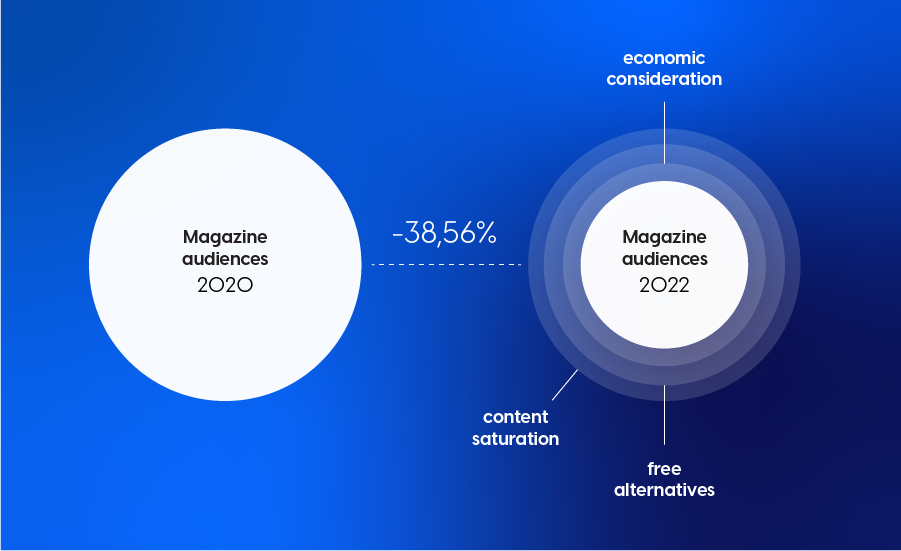
Three factors drive this change in online magazine subscriptions:
- First, there is too much content to choose from. With so much free material online, many readers do not see a reason to pay.
- Second, there are strong free alternatives. Blogs and social media offer plenty of options at no cost.
- Third, money plays a big role. As budgets get tighter, people become more careful about what they spend on.
Because of these challenges, publishers need to adjust their approach so it matches what audiences want now.
Practical tips on how to increase subscription sales
1. Improve the reader experience
Optimizing the reader experience is important when it comes to increasing digital magazine subscriptions.
One of the most effective ways to do this is by making sure that your magazine’s subscription management so readers can upgrade, pause, or update billing without friction. When readers find it easy to manage their subscriptions, they’re more likely to stay engaged and continue them.
A simple, easy experience helps keep readers from leaving and improves satisfaction. It also helps readers feel closer to the publication.
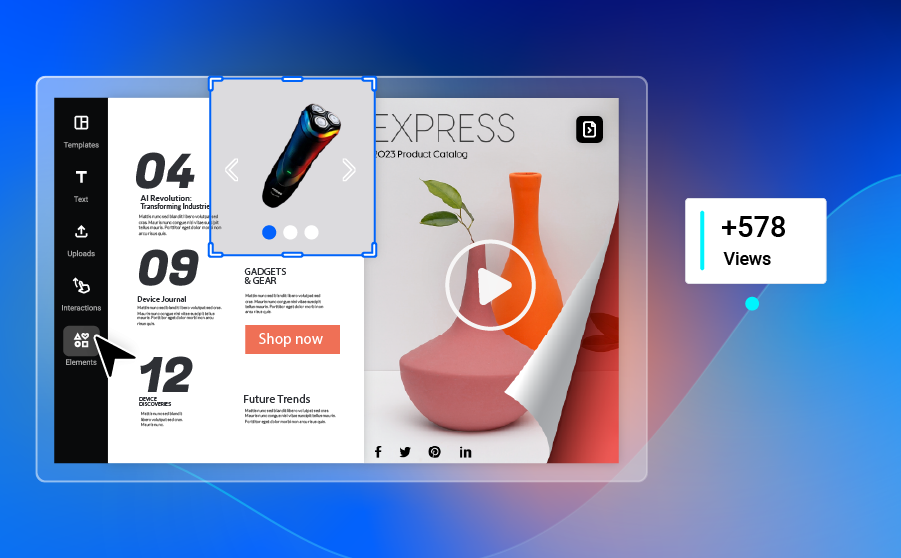
The visuals you choose affect how engaging your content feels. Strong graphics and relevant images can make your content easier to enjoy and more convincing.
This means you need to cleverly manage digital assets and have a well-packed library—from catchy graphics to stock images, as well as dynamic visuals that can keep your content fresh.
To improve the reading experience, you can use skeuomorphic design that looks and feels like a classic print magazine. You can also add small touches that remind readers of traditional magazine features.
It can be anything from a digital signature for subscriptions to a yearly special print edition or even a best-of-the-decade almanac. Sure, print doesn’t pay off the same way it used to, but many still hold the atmosphere dear.
2. Personalize content for your readers
Personalization helps build loyalty because readers see more of what they care about. When you tailor content and recommendations, you give people a reason to come back.
For example, if a reader often chooses technology articles, show more technology content and highlight related sections in future issues.
When personalization is done well, readers stay interested and explore more pages. That supports higher engagement and better retention, which can lead to increased magazine subscriptions.
Even one digital magazine subscription is easier to keep when readers feel the content fits them.
Use analytics to improve performance
Analytics tells you what readers actually do, so you can adjust your content based on evidence instead of guesses.
Flipsnack includes built-in analytics that track key signals like views, clicks, average time spent, and downloads. It can also show device and country, plus dashboards and other reporting views.
If you need deeper marketing data, you can integrate Google Analytics 4 to see details such as traffic sources and broader campaign tracking.
3. Give custom subscription plans
Offering custom subscription plans is an effective way to meet reader’s needs while boosting your subscription numbers.
But maybe since this isn’t the most popular option for digital subscription magazines, you can offer a few different plans for people to choose from. Here’s an example:
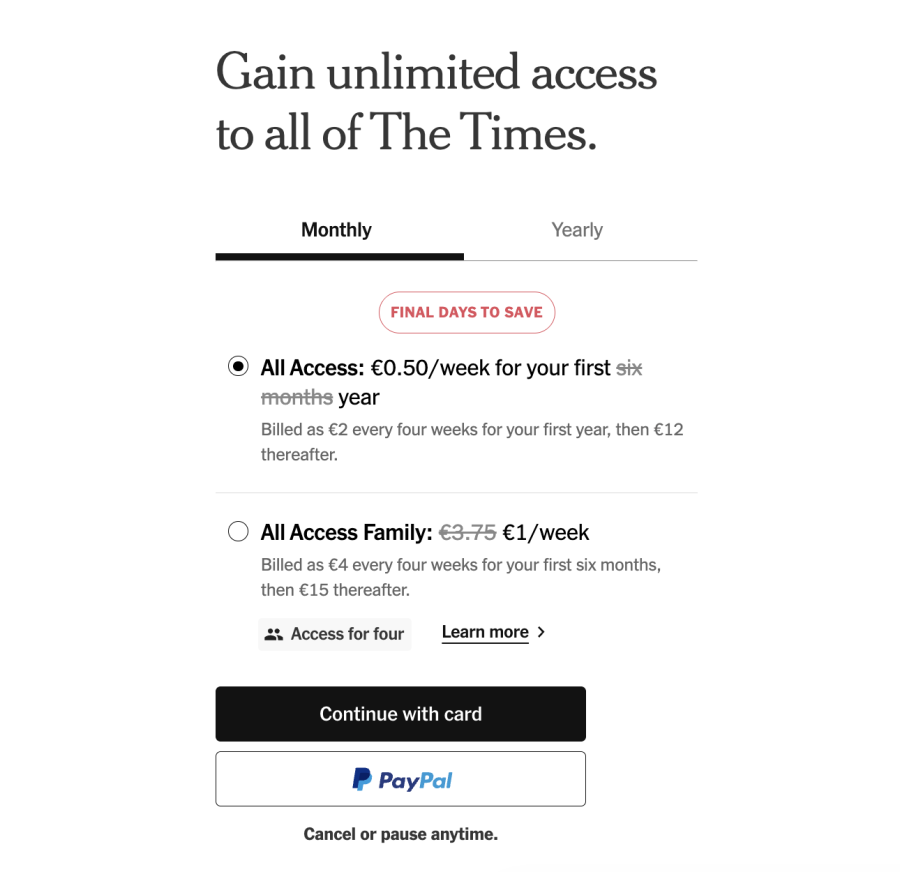
Publishers can use customer data to understand what readers like and how they read. These insights help them tailor subscription offers to match real interests and habits.
Flexible subscription plans also matter. When readers can choose an option that fits their needs, they are more likely to subscribe.
4. Offer free trials or a freemium model
Free samples and trials can help you win new subscribers. They let people test your magazine before they pay.
You can offer a sample article, a full issue, or a limited-time trial. This gives readers a clear idea of what they will get, so subscribing feels like a safer choice.
Trials work best when the content is worth paying for. If what you share is useful, well-written, and relevant, some readers will come back and pay for more.
Another option is a freemium model. You keep a basic version of the magazine free, and you reserve the full version for subscribers. This way, readers can try your style anytime, and upgrading feels like the next step when they want more depth.
5. Provide easy cancellation
Make it clear that people can cancel or pause their subscription at any time. Most readers do not want a long-term commitment, even for a digital product.
Many subscribers will never cancel, but they still want the option. When people feel in control, they are more willing to try your magazine because the risk feels lower.
6. Use push notifications to support digital subscriptions
Push notifications can help keep readers engaged, but it helps to know the difference between mobile and web notifications.
Mobile push notifications appear on a user’s phone through your app, even when the app is not open. Web push notifications appear in a browser on desktop or mobile, while the user is browsing online.
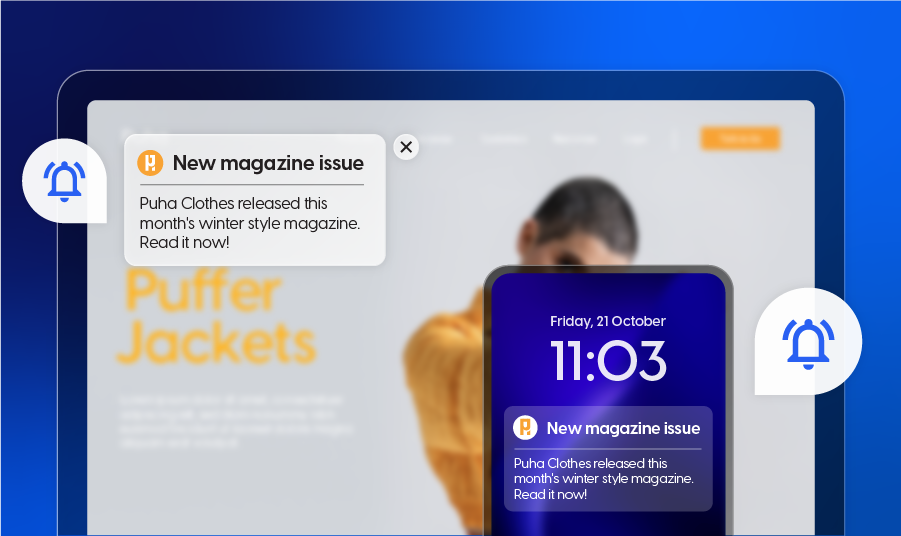
Use notifications with a clear purpose, not just to fill a schedule. You can announce a new issue, share a subscriber-only story, or remind readers of benefits they already have. You can also promote a limited discount to encourage action.
Keep notifications short and relevant. Send them at the right moment, and avoid sending too many. Personalizing messages based on what readers view or click can also make them feel more useful and less intrusive.
7. Use remarketing to bring readers back
Remarketing helps you reconnect with people who showed interest but did not subscribe. It targets readers who already interacted with your magazine, like those who visited your subscription page or downloaded a free sample. It then reminds them what they were looking at and encourages them to return.
Segmentation makes remarketing work better. When you group people by what they did, you can match the message to their intent.
For example, someone who viewed your pricing page but left could see an ad that highlights a limited discount or a subscriber-only section. You can also show dynamic ads that feature the same topics or issues they explored. When the ad matches their past behavior, it feels more relevant and can increase conversions.
8. Be present on social media
Social media can help you reach new readers and bring more traffic to your digital magazine. Today, there are about 5.24 billion active social media user identities worldwide, so the audience is huge.
You will get better results if you adapt your content to each platform. Behind-the-scenes photos, longer captions, and live videos can keep people interested and help you build a community. Paid ads can support this, especially when you promote a specific issue or subscription offer.
To grow your reach, focus on a few practical moves:
- Create platform-specific posts that invite comments, saves, or shares.
- Partner with brands or publications that target a similar audience and run cross-promotions.
- Turn strong articles into video. YouTube and short-form video platforms can help you reuse your best ideas in a new format.
9. Use social sharing and referrals
Social sharing and referrals can help you grow your subscriber base because new readers usually trust recommendations from people they know.
Make sharing easy for current subscribers. When they share an article or an issue, you reach people with similar interests who are more likely to engage.
You can also add a referral incentive. For example, a subscriber who brings in a friend could get a discount on renewal or a free month of access. Keep the process simple so people can refer someone in a few clicks.
To support this, you can use sharing tools that add one-click share buttons to your pages and show sharing analytics. ShareThis, for example, offers share buttons across many social channels and includes sharing analytics through its platform.
10. Enhance your search engine visibility
Better search visibility can bring more organic traffic to your digital magazine. You do not need advanced SEO skills to start. A few basics can make a real difference.
Start with a clear keyword plan. Research the search terms your audience uses, then build content around them. Google Ads Keyword Planner can help you find keywords with strong search volume that match your topics.
Next, improve your metadata. Title tags and meta descriptions affect how your pages appear in search results. When they are clear and specific, more people are likely to click.
You can also add structured data, often called schema markup. This helps search engines understand what your content is about. It can also make your pages eligible for rich results, sometimes called rich snippets, which can help your listing stand out in search.
Some readers compare offers in a magazine price search engine, so make sure your pricing page is easy to find and easy to understand.
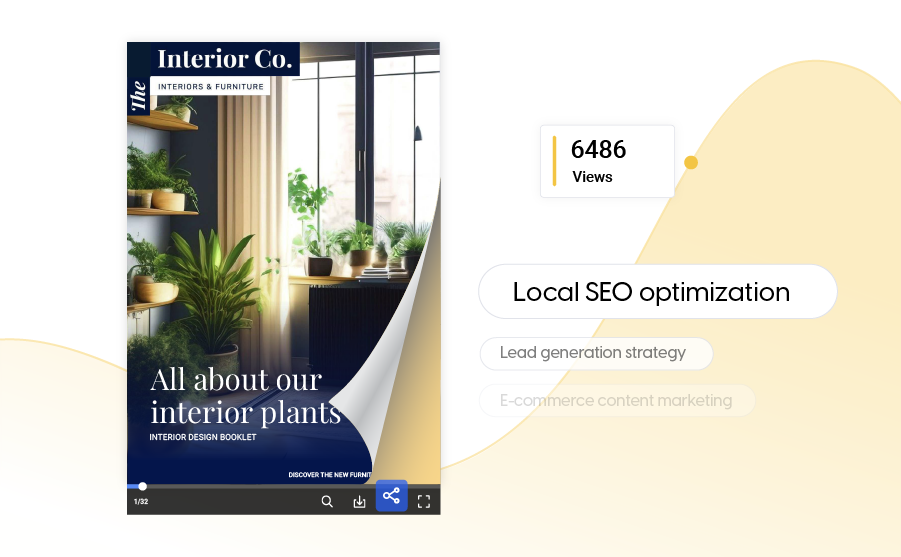
11. Leverage email marketing
Email is one of the most direct ways to turn interested readers into subscribers because you can reach them without relying on platform algorithms.
Start by building a list in places where people already show intent, like your website, blog, and subscription page. Offer a clear reason to sign up, such as a sample issue, a free article series, or early access to new releases. Before any of that nurturing begins, a well-crafted opt-in email confirms the subscription and makes sure the reader actually wants to be on your list, which protects your deliverability and sets the right tone from the start. Then send emails based on what people care about. Someone who reads your technology content should not get the same message as someone who prefers culture or business.
Keep your emails focused on one main action. For example, read the latest issue, claim a trial, or upgrade to unlock premium content. A simple welcome series also helps. It can introduce your magazine, show what makes it different, and explain exactly what subscribers get.
12. Develop a mobile-friendly digital edition
A mobile-friendly edition is essential because many readers will first discover your magazine on a phone. If the experience is hard on mobile, people leave before they even see your best content.
Design for small screens from the start. Use readable font sizes, enough spacing, and clear headings so readers can scan quickly. A single-column layout often works better than complex multi-column pages on mobile because it reduces pinching and zooming. Keep buttons and links easy to tap, and avoid placing important text too close to the edges of the screen.
Navigation matters too. Make it easy to move between sections, return to the table of contents, and continue reading where someone left off. If your edition includes interactive elements, make sure they load quickly and work smoothly on mobile networks. A slow or glitchy experience can undo all your effort.
A strong mobile experience helps you reach more people and keeps readers engaged when they are reading in short sessions, like during commutes or breaks.
13. Offer exclusive content
Content marketing helps you attract new readers before you ask them to pay. Publish free content that proves your magazine is worth their time, then guide readers toward a subscription when they want more.
The easiest way to do this is to share high-quality pieces that solve a problem, explain a trend, or offer a fresh point of view. Then connect that free content to a clear premium offer. For example, the free article can cover the main idea, while subscribers get the full feature, the full issue, bonus sections, downloadable resources, or early access.
Exclusivity should feel valuable, not restrictive. Make it clear what subscribers unlock and why it is better than the free version. If readers can quickly understand the difference, it becomes much easier for them to justify paying.
How can Flipsnack take some load off
No single tool covers every part of a subscription strategy. You still need a way to take payments and run marketing. Flipsnack helps with the heavy work of building the magazine, adding interactivity, and controlling access for online magazine subscriptions.
1. Create your magazine
With Flipsnack, you can design your magazine in two main ways. You can upload a PDF and turn it into a flippable online magazine, or you can create one from scratch in the drag-and-drop Design Studio using templates.
2. Add interactive elements
Once your pages are in place, you can add interactive elements to keep readers engaged. This includes things like links, videos, GIFs, photo slideshows, quizzes, and forms.
3. Choose how people access your magazine
Flipsnack offers public, unlisted, password-locked, and private publishing options.
For subscriber-only access, Flipsnack recommends several approaches, such as adding a paywall, using a gated embed or protected subdomain, setting up a lead form, or offering a preview and giving full access through reader groups or a one-time passcode.
Direct flipbook sales through Flipsnack are discontinued, so payments are usually handled on your site or another platform, and then you grant access to paying readers.
One important detail: Flipsnack no longer supports direct flipbook sales inside the platform, so payments are typically handled elsewhere, then you provide access to paying readers.
4. Track engagement with analytics
After publishing, you can use Flipsnack Analytics to see how readers interact with the magazine, including clicks and time spent reading. Analytics is available on the Professional plan or higher, and some advanced features like heatmaps are Enterprise only.
Wrapping up
Trying to drive more digital magazine subscriptions can be challenging in the face of growing content saturation, but with the right strategies, it’s entirely achievable.
Focusing on enhancing the reader experience, providing personalized subscription plans, and leveraging tools like push notifications and social referrals will help you attract and retain a loyal audience. Alongside this, additional measures such as free samples, dynamic remarketing, and enhanced search engine visibility further support your efforts.
These steps help you get more magazine subscriptions without relying on discounts alone.
Flipsnack’s digital magazine maker helps you create interactive magazines from a PDF or in the Design Studio, then publish them with the right access controls for digital magazine subscriptions. For monetization, Flipsnack can help you restrict access, but you typically handle payments outside the platform and then grant access to subscribers.